

There were early attempts to finish wood with wax from the mid-1700s. This soft finish was able to resist water and wear, but it needed to be regularly reapplied because it wore off so quickly.
And after that The industrial revolution and the need for better housing led to an increased demand for wood flooring materials. Oak was widely available and became highly sought after due to its strength, workability, and natural beauty. Choices were still restricted to local species of tree at this time, and as hardwoods became harder to source, softwoods were sometimes used as a more affordable alternative.
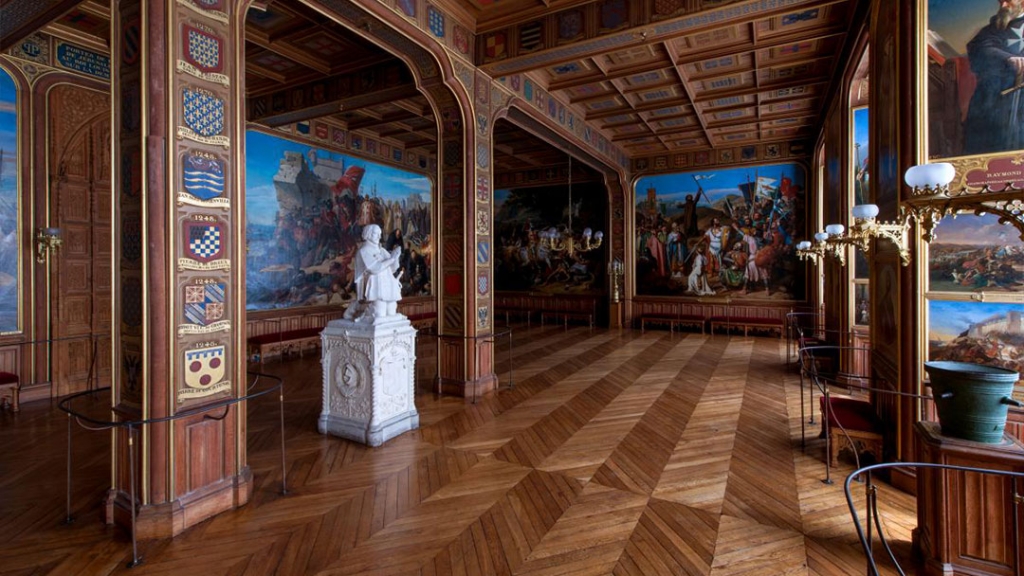
After many years Wood milling technology progressed quickly, bringing higher quality products to market. It soon became the most popular domestic flooring in the Edwardian Era. Herringbone patterns using tongue and grooves also became more common.
After World War II, carpets became a much more affordable option due to mass production of synthetic fibres. Carpets were now a prevalent choice. This marked the start of a thirty-year decline in the use of wood flooring in domestic properties.
Unfortunately, the reputation of wood flooring as a luxury option was tarnished due to widespread corner-cutting in the wood flooring industry as it fought hard
to survive. Pay cuts for floor fitters resulted in a drop in the quality of workmanship, especially in parquet floors. This damaged the public perception of a hardwood floor. Production improvements and the availability of engineered flooring increased the affordability and versatility of hardwood flooring. It also made it a more sustainable option. Pre-finished floorboards also gained popularity, allowing customers to avoid the hassle and costs of on-site finishing.
Now days technology in the world of wood flooring has come on leaps and bounds over the years. It is now a very versatile flooring choice, and there are countless texture, tone, and style options available.
Reference: chauncey.plume.co.uk
Images via Pinterest